
privacy glass wall
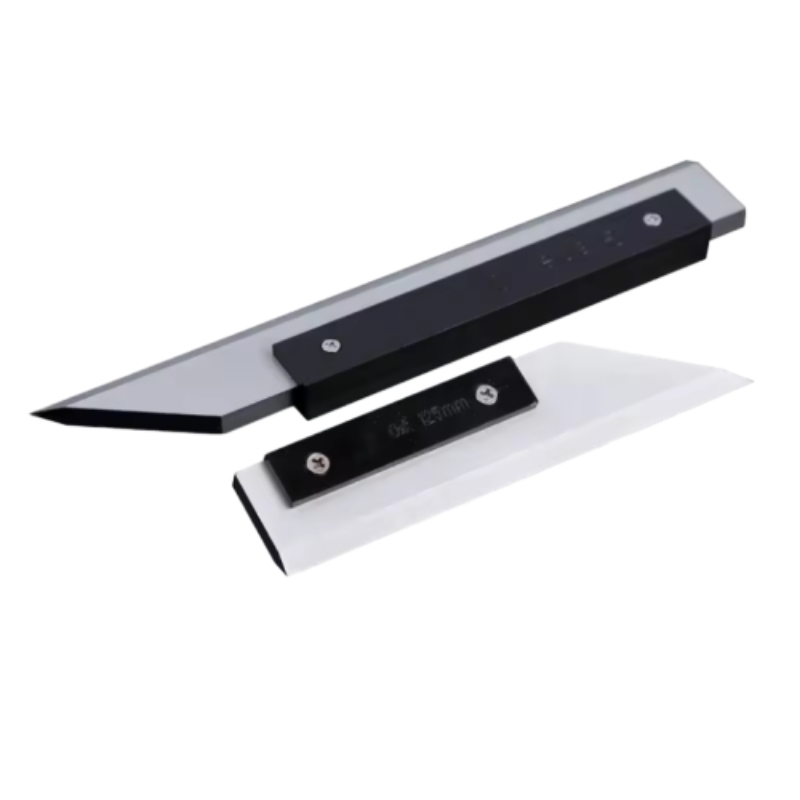
Understanding the Metal Marking Gauge A Essential Tool for Precision Marking In the world of metalworking and carpentry, precision is paramount. Every cut, every joint, and every assembly must be executed with an exceptional degree of accuracy to ensure the final product meets the desired specifications. One tool that stands out in aiding precision marking is the metal marking gauge. This tool is an essential instrument for any craftsman, metalworker, or DIY enthusiast who values accuracy and quality in their work. In this article, we will explore what a metal marking gauge is, its components, uses, and why it is invaluable in the workshop. What is a Metal Marking Gauge? A metal marking gauge is a mechanical tool used primarily to scribe lines on metal, wood, or other materials, ensuring precise measurements and clean markings. Designed with functionality in mind, a marking gauge allows users to create consistent marks for cutting, drilling, or joining materials. Unlike ordinary pencils or pens that can smudge or fade, the lines created by a marking gauge are both precise and permanent, making them ideal for technical work. Components of a Metal Marking Gauge A typical metal marking gauge consists of several key components 1. Beam The beam serves as the main body of the gauge and usually is made of durable, corrosion-resistant metal. It features measurement markings that allow users to set the distance from the edge of the material accurately. 2. Pointer or Scribing Head At the end of the beam, the pointer or scribing head is either a sharp point or a blade that actually marks the material. This component is vital for achieving clean, straight lines. 3. Adjustment Mechanism Most metal marking gauges have an adjustment mechanism, such as a locking screw or clamp, allowing users to fix the beam's position after setting the desired measurement. 4. Base or Foot Some models feature a base that helps stabilize the tool against the material being marked, ensuring accuracy in line placement. Uses of a Metal Marking Gauge The metal marking gauge is incredibly versatile and can be used in various applications metal marking gauge - Metalworking In metal fabrication, precision is critical . A marking gauge is commonly employed to scribe lines for cuts, helping metalworkers achieve clean edges and accurate dimensions when fabricating components. - Woodworking While primarily designed for metal, marking gauges are also used in woodworking. They help ensure that joints and edges are aligned precisely, contributing to the overall quality of the final product. - Layout Work When laying out workpieces, a marking gauge allows for accurate placement of holes, notches, and other features that require meticulous attention to detail. - Drafting and Engineering In fields such as engineering and architecture, metal marking gauges help professionals create accurate technical drawings and layouts that are crucial for project success. Why Invest in a Metal Marking Gauge? Investing in a metal marking gauge is a wise decision for anyone involved in precision work. Here are a few reasons why 1. Accuracy The design of a metal marking gauge allows for high levels of precision, helping users achieve exact measurements that are essential for quality craftsmanship. 2. Durability Made from robust materials, metal marking gauges are built to last. They withstand the wear and tear of daily use, making them a reliable tool in any workshop. 3. Ease of Use Despite their precision, metal marking gauges are relatively straightforward to use. Once the desired measurement is set, users can quickly mark lines without the risk of errors common with traditional marking methods. 4. Versatility Suitable for multiple applications, a marking gauge can be used across various materials, adding to its value as a multi-purpose tool. Conclusion In summary, a metal marking gauge is an indispensable tool for anyone engaged in precision work. Its ability to produce accurate, clean marks makes it a favorite among metalworkers, woodworkers, and engineers alike. By understanding its components and uses, individuals can appreciate the vital role that this simple yet effective tool plays in achieving high-quality craftsmanship. Whether you are a seasoned professional or a novice, incorporating a metal marking gauge into your toolkit will undoubtedly enhance your accuracy and efficiency in your projects.
about
privacy glass wall
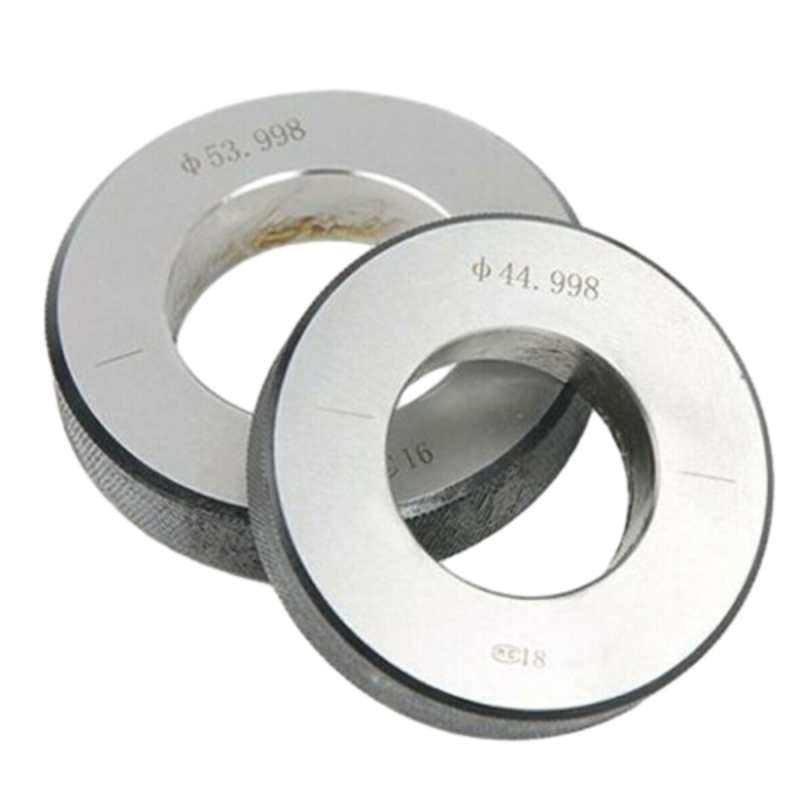
Understanding Standard Bore Gages A Comprehensive Overview In the realm of precision measurement, standard bore gages play a crucial role in ensuring the accuracy and quality of cylindrical parts and components. These specialized tools are essential for industries that require meticulous tolerances and consistent performance, including manufacturing, automotive, aerospace, and heavy machinery sectors. This article explores what standard bore gages are, how they function, their applications, and their significance in industrial settings. What is a Standard Bore Gage? A standard bore gage is a measuring instrument specifically designed to assess the internal dimensions of cylindrical holes or bores. It is used to determine various parameters, such as diameter, roundness, and finish, ensuring that the internal dimensions of a component meet the required specifications. Standard bore gages can range from simple, mechanical versions to sophisticated electronic models that provide advanced data analysis and reporting capabilities. How Do Bore Gages Work? The basic operation of a standard bore gage involves inserting the gage into the bore to measure its diameter. The gage typically consists of a measuring head and a pair of contact points, which expand or contract to fit the internal dimension of the bore. The measured diameter is read on a scale or a digital display, depending on the design of the gage. There are several types of bore gages, including 1. Mechanical Bore Gages These use mechanical components like springs and levers to perform measurements. Operators read the measurement directly off a dial or scale. Although often less expensive, mechanical gages can be prone to user error and require careful handling. 2. Electronic Bore Gages More advanced than their mechanical counterparts, electronic gages incorporate digital displays and sensors to provide precise measurements. They often feature data output options for easy integration with manufacturing software, enabling real-time quality control and monitoring. 3. Dial Indicator Bore Gages Utilizing a dial indicator to measure deviations from a reference point, these gages provide accuracy and a rapid assessment of hole roundness and straightness. Applications of Standard Bore Gages standard bore gage Standard bore gages are utilized across various industries for diverse functions, including - Quality Control Ensuring that machined components meet specified tolerances is paramount for maintaining product integrity. Bore gages are instrumental in quality assurance processes, helping to identify deviations before parts go into production or assembly. - Manufacturing Automated and manual manufacturing processes often rely on bore gages to verify that components fit together as designed. This measurement is vital for assembly lines, where even the slightest variation can affect performance or lead to equipment failure. - Maintenance and Repair In maintenance operations, standard bore gages help technicians assess the wear of components over time. For instance, in automotive or aerospace applications, understanding bore wear is crucial for maintaining engine performance and safety. Importance of Using Standard Bore Gages Utilizing standard bore gages ensures precision in manufacturing processes, reducing costs associated with rework and scrap. By accurately measuring bore dimensions, manufacturers can enhance product quality, leading to improved customer satisfaction and market competitiveness. In addition, standardizing measurement practices through the use of bore gages helps maintain consistency across production lines. This consistency is essential, especially in industries where safety and regulatory compliance must be adhered to. Moreover, the evolution of technology has enhanced the capabilities of bore gages. With features such as data logging, automated measurements, and ease of integration into digital workflows, modern bore gages provide manufacturers with powerful tools to meet the challenges of contemporary production environments. Conclusion Standard bore gages are indispensable tools in the world of precision measurement, providing a means to measure and ensure the internal dimensions of cylindrical components. From quality control in manufacturing to maintenance assessments, these tools play a significant role in maintaining the accuracy and reliability of products across various industries. With advancements in technology, the capabilities of bore gages continue to expand, making them even more valuable in today's highly competitive market. As industries seek to improve efficiency and reduce costs, the adoption of standard bore gages will undoubtedly play a pivotal role in achieving these goals.
-

High quality industrial productsagement

High quality industrial products
View Details -

Meet the diverse needs of customers

Meet the diverse needs of customers
View Details -

Strict quality control

Strict quality control
View Details -

Top raw materials

Top raw materials
View Details -

Trusted supplier

Trusted supplier
View Details
Our application
news and information
valve gate valve
Understanding Valve Gate Valves An Essential Component in Modern Industry In various industrial appl

Utilisation du niveau spirituel
L'utilisation du niveau à bulle un outil essentiel pour la précision dans la construction Le niveau
valvola di cancello
Quando si tratta di impianti idraulici o di gestione di fluidi, uno degli elementi chiave è la valvo
 English